Horizon Europe: EU and India strengthen strategic partnership in research and innovation
16/07/2026
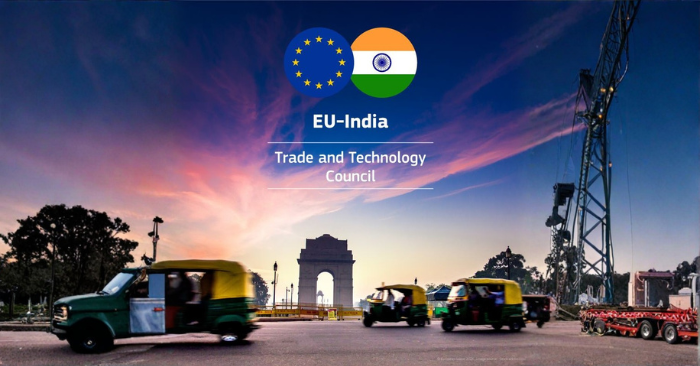
The decision also reflects the increasingly competitive global landscape for science and technology. As China continues to expand its technological leadership in key sectors and the United States pursues a more strategically focused industrial and technology policy, the European Union is strengthening partnerships with like-minded countries to reinforce its competitiveness, diversify international cooperation and build more resilient value chains.
India is a key partner in this strategy. The country offers a strong research base, a rapidly growing high-tech industry, one of the world's largest start-up ecosystems and a highly skilled workforce. At the same time, India's importance as a market, manufacturing location and partner for resilient supply chains continues to grow. Closer cooperation therefore provides Europe with new opportunities to broaden its international research partnerships and strengthen its position in the global technology race.
For universities, research organisations, companies and innovative SMEs, India's planned association to Horizon Europe, the European Union's research and innovation programme, could create new opportunities for collaborative research and innovation projects. International consortia could become easier to establish while facilitating the exchange of knowledge, technologies and talent.
New momentum for research and deep-tech innovation
Alongside the Horizon Europe negotiations, the EU and India agreed on a range of new initiatives to strengthen research cooperation and technological innovation. These include the establishment of the first EU-India Innovation Hub for electric vehicle charging technologies and testing.
The partners also announced an EU-India Startup Partnership focusing on deep-tech clean technologies. The initiative aims to support start-ups in accessing markets and accelerating the commercialisation of innovative technologies, placing greater emphasis on translating research results into market-ready solutions.
The EU and India are already supporting joint research and innovation projects worth €60 million over four years. Current collaborations include projects on converting waste into hydrogen (Waste-to-Hydrogen), tackling marine pollution and recycling batteries for electric vehicles.
Cooperation in strategic technologies
Another key outcome of the TTC meeting is the expansion of cooperation in strategic technologies, including artificial intelligence (AI), semiconductors, high-performance computing (HPC), quantum technologies and 6G.
In the field of AI, both partners will exchange best practices for fostering innovation, including applications in healthcare. Joint activities are also planned in high-performance computing, focusing on research into natural hazards, climate change and bioinformatics.
In addition, the EU and India will strengthen cooperation on resilient and trusted semiconductor supply chains, advanced manufacturing and investment in semiconductor and electronics ecosystems.
Strengthening cooperation on clean technologies and resilient value chains
The partners also agreed to deepen cooperation on clean energy technologies. During the second half of 2026, the EU and India will exchange expertise on Hydrogen Valleys and hydrogen safety standards.
Beyond research cooperation, both sides committed to strengthening resilient value chains in agri-food, active pharmaceutical ingredients and clean energy technologies. The objective is to reduce dependencies, strengthen industrial resilience and improve long-term supply security in strategically important sectors.
A strategic step for Europe and Horizon Europe
India's planned association to Horizon Europe represents more than an expansion of scientific cooperation. It forms part of the European Union's broader strategy to strengthen partnerships with leading research and innovation nations while enhancing Europe's technological competitiveness and strategic resilience.
Rather than creating new geopolitical blocs, the EU aims to diversify its international partnerships and reduce critical dependencies by working more closely with several trusted global partners. India is expected to become an increasingly important pillar of Europe's research, innovation and industrial policy.
For European universities, research organisations, companies and SMEs, closer cooperation with India could create valuable opportunities to build international consortia and develop innovative solutions to global challenges in areas such as artificial intelligence, clean technologies, hydrogen, semiconductors, quantum technologies and digital infrastructure.
The strengthened partnership also highlights the evolving role of Horizon Europe. Beyond funding excellent research, the programme increasingly serves as a strategic instrument for fostering international innovation networks, strengthening resilient value chains and enhancing Europe's long-term technological leadership.
Further information: Joint Statement der Europäischen Kommission zum dritten EU-India Trade and Technology Council.
BayFOR supports international research collaborations
India's planned association to Horizon Europe could create new opportunities for international research and innovation projects. BayFOR supports Bavarian universities, research organisations, companies and innovative SMEs in identifying suitable international partners, building competitive consortia and preparing successful proposals under Horizon Europe.
Learn more about our Horizon Europe advisory services and support for international research collaborations, or get in touch with our experts.

Competence Centre for Research and Innovation Funding in Bavaria, Europe and the World
Competence Centre for Research and Innovation Funding in Bavaria, Europe and the World